Monthly Archives: July 2023

UNION LEADERS FROM DISTRICTS WHO HAVE AGREED TO EQUITABLE ADJUNCT HEALTHCARE ADDRESS SMCCCD BOARD

Six faculty union leaders from other community college districts spoke briefly to the SMCCCD Board of Trustees on Wednesday, June 28, to explain how their districts had agreed to provide their part-time faculty the same healthcare coverage as their districts’ full-time faculty, with full funding from the state under AB 190.  (For details, see CFT’s FAQ on healthcare coverage for adjunct faculty mandated under AB 190 funding or Chancellor’s Office explanation)

Click here to watch all of the faculty union leaders’ comments or click on the individual links below to view each comment separately:

Linda Sneed, long-time adjunct faculty member in the Los Rios Community College District explained that her district enthusiastically agreed to provide part-time faculty healthcare funded by the state under AB 190 beginning in Spring 2023


James McKeever, President of LA Faculty Guild, explained that LA Community College District (largest community college district in US) agreed to provide adjunct faculty with loads of at least .33 the same healthcare coverage as full-time faculty and LACCD will receive more money back from the state than they currently get

Karen Chan, Executive Director of W. Valley/Mission Federation of Teachers, reported that the W. Valley/Mission District has agreed to pay adjunct faculty 82% parity and to provide adjunct faculty with the same CalPERS health benefits they provide to full-time faculty (fully funded by the state under AB 190)

Claire Thorasen, adjunct faculty member at Cabrillo College and on the union negotiating team, reported that the Cabrillo District has also agreed to provide their adjunct faculty with the same healthcare coverage as their full-time faculty, following the AB 190 guidelines to enable them to be fully reimbursed by the state

Kate Disney, President of the W. Valley/Mission Fed. of Teachers, explained that their district, like SMCCCD, is a Basic Aid district that provides health benefits through CalPERS, and encouraged the SMCCCD Board to work collaboratively with AFT 1493 to move to provide equitable health benefits to adjunct faculty

Malaika Finkelstein, CCSF adjunct instructor and member of AFT 2121 bargaining team, reported that CCSF has also agreed to provide fully equitable health benefits to their part-time faculty at no cost to the district and also explained that CCSF Trustees regularly speak with union reps. (even during negotiations) and that it is incumbant on elected officials to listen to their constituents to receive the full information needed to make appropriate decisions

Also watch:

AFT 1493 President Monica Malamud, providing corrections to misinformation about PT healthcare funding given by SMCCCD administrators at the previous Board meeting


AFT 1493 Co-Vice President Katharine Harer, emphasizing the Trustees’ responsibilty to provide healthcare to the District’s adjunct faculty


Districts that have agreed to provide equitable healthcare to adjunct faculty 

The following 12 California community college districts have already agreed to provide equitable healthcare to adjunct faculty funded by the state under AB 190.


West Valley-Mission contract article on adjunct health benefits

West Valley-Mission Community College District faculty contract article on Associate Member (i.e. adjunct faculty members) healthcare benefits, which provides adjunct faculty with at least 40% load for at least three semesters the same coverage as full-time faculty:

MINIMUM ENROLLMENT TO REMAIN AT 10 STUDENTS FOR 2023-24

Following advocacy from faculty and students, the Board of Trustees voted June 28th to maintain the 10-student enrollment minimum through Fall 2023, Spring 2024, and Summer 2024. That means that courses that achieve an enrollment of at least 10 students will not be canceled.

The 10-student minimum first came into effect through MOUs negotiated by AFT during the pandemic. In May, Interim Chancellor Moreno put forward a draft recommendation to return to a minimum of 20 students. However, at the May Board meeting and elsewhere many faculty and students spoke about why the 10-student minimum benefits our students and in June Moreno changed course and recommended instead “a temporary suspension of the current BP 6.04 minimum class size of 20 students for the 2023-24 academic year, including the 2024 summer session, to allow time for more study and discussion of the issue with the Board during the Fall semester.”


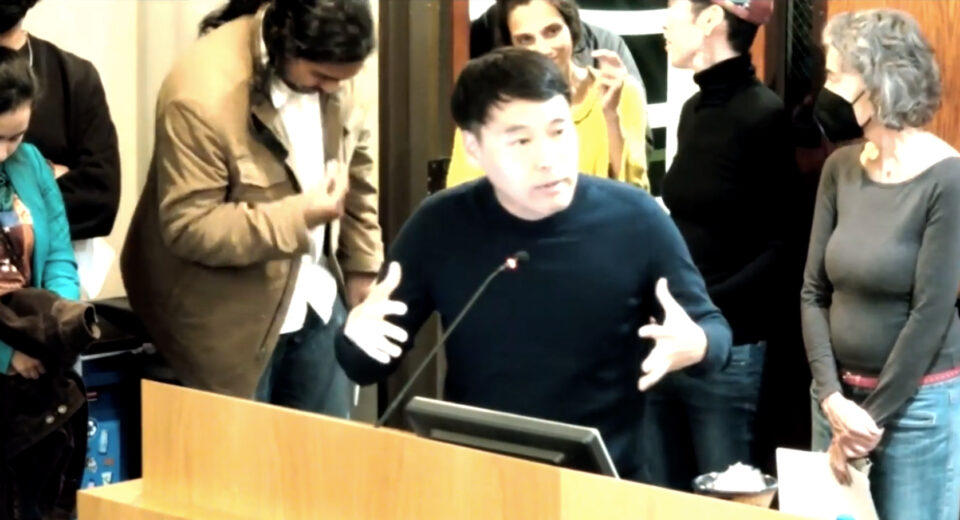
Bob Lee (Sociology, Cañada) was one of the many faculty and student speakers calling for a continuation of the 10-student minimum at the May Board of Trustees meeting. Other speakers included Liza Erpelo (Kababayan, Skyline), Todd Windisch (ESOL, CSM), David Eck (Philosophy, Cañada), Kathleen McClung (English, Skyline), Lee Miller (Political Science, CSM), Arthur Veloso (the incoming Student Trustee, Skyline student), Lori Slicton (Anthropology, Skyline), the outgoing Student Trustee, Lesly Ta and Kate Browne, the District Senate President.

This recommendation was approved by the Trustees. Thanks to all of the faculty and students who spoke out at the May Board meeting and elsewhere, more students will have access to the courses they need.

Watch faculty & students speak out against increasing class size minimum at the May 24 Board meeting

ACTION UPDATE: THE TRUE COST OF LIVING FOR SMCCCD FACULTY

We need salaries that allow us to live in our high-cost area!

Be sure to scroll to the bottom of this message to take a brief survey to give us your reactions to the district’s current proposal on compensation!


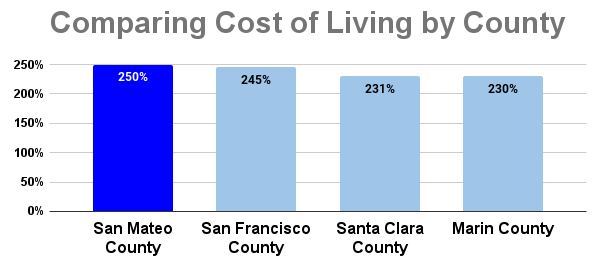
FACT: The cost of living in San Mateo County is the highest of any county in the high-priced Bay Area. (Cost-of-living index shows % above national median for each area.)
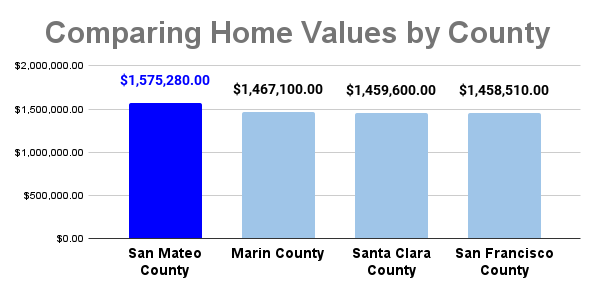
FACT: Home values in San Mateo County are the highest of all counties in the exorbitant Bay Area housing market. (National Assoc. of Realtors)

FAIRNESS?: A faculty member making $104,000 per year and living alone with no dependents in San Mateo County is “low-income” (California Department of Housing and Community Development).

This means that salaries for many full-time faculty members are below the low-income threshold, while the current top faculty salary of $142,128 is below the area “moderate income” level of $147,000.


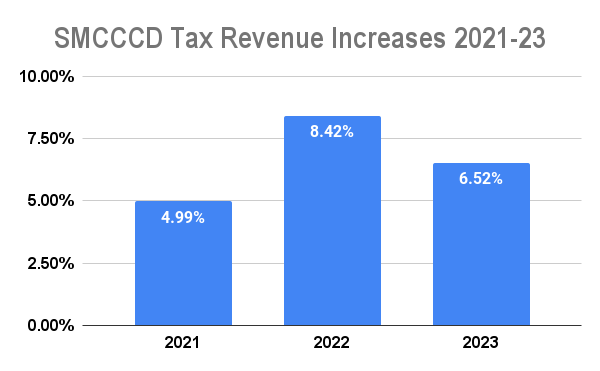
EQUITY! Our district’s wealth comes from taxes on our county’s high property values. SMCCCD’s tax revenue increases the last 3 years were 5%, 8.4% and 6.5%.The last faculty raise, in 2021, was 0.5% – when inflation was 8.3%!
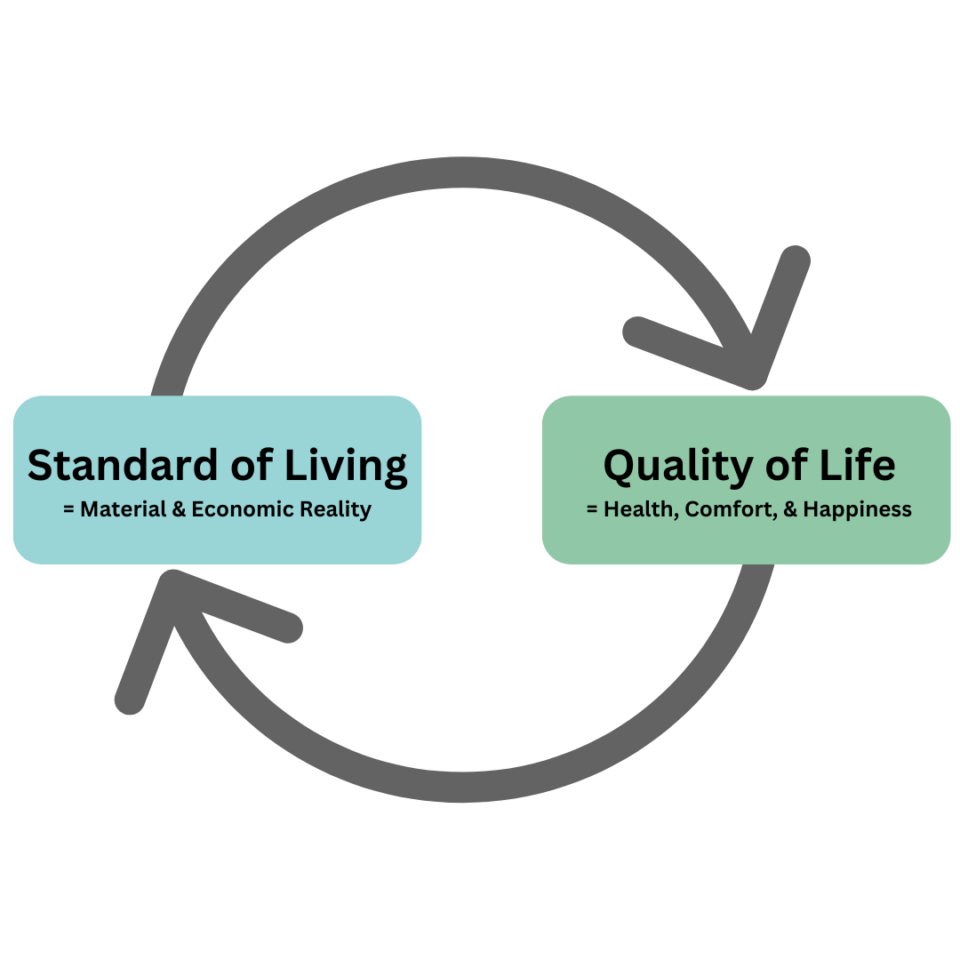
True equity means providing salaries that allow all faculty to have a high quality of life – especially in counties like ours with some of the highest costs in the nation.
Why does the District deny faculty even a “moderate” standard of living for our area?

Each of our weekly messages include a quick survey on your thoughts about the current District proposal on an issue by issue basis.(see Negotiation FAQs.)

Help shape AFT’s counter proposal on compensation! Let us know your thoughts and concerns regarding the district’s current proposal on salaries by taking a short survey. Click the “Take Survey” button on the right to begin. Every bit of feedback helps us act strategically to win a fair contract!


WHAT’S UP WITH NEGOTIATIONS?

I heard our contract negotiations were in confidential mediation, but now mediation is over. Where are we and what’s next?

Our union began negotiating with the District for our next contract in May 2022 and entered into a confidential mediation process in December 2022, meaning that we have not been allowed to share information with members over the past 6 months. Earlier this month the two parties left mediation without reaching a tentative agreement (TA) on our next contract. The District has now put some public proposals on the table, which we shared with membership last week.

Now that we have left mediation, we will continue to negotiate. Our next negotiation sessions are scheduled for August 2nd and August 11th. However, now that negotiations are no longer confidential, maintaining close communication with members is our top priority to keep members informed and to help us win the contract we all deserve!


Has AFT agreed to the District Proposals?

No. However, once proposals are made in negotiations, neither party can move further from agreement. For example, the District cannot make a lower salary offer than its most recent public proposal. This is called “regressive bargaining” and is illegal under the Educational Employees Relations Act. See below for the District’s current proposals.


How will AFT negotiators and leadership be engaging with members moving forward?

Your feedback is more important now than ever! We will be soliciting member feedback on the District’s proposals—both those listed below and anything new they put on the table—through short surveys linked in emails like this one. Next week’s message will situate the District’s compensation proposal in the context of the cost of living in the Bay and ask for your opinion on the compensation proposal.

We will also be holding a forum on contract negotiations and current proposals as part of the District Flex Day on 8/14 (on Zoom, time TBA). We look forward to sharing information, answering your questions, and hearing about which contract proposals matter to you.

Issues Covered in the District’s Proposal Issues The District is “NOT INTERESTED” in Negotiating
Pay for All Faculty (except PT instructors) 7%-5%-3% raise schedule for academic years 22-23, 23-24, 24-25. Parental Leave STATUS QUO

New parents must use sick leave or take leave at partial pay.

Pay for PT Instructors 9.5%-7.5%-5.5% raise schedule. Disability Accommodations STATUS QUO

The District maintains that no contract language is necessary and that the accommodations process outlined in the Americans with Disabilities Act is sufficient support for faculty with disabilities—bureaucratic delays and all.

Full-Time Medical Benefits District contribution equivalent to a percentage of Kaiser HMO medical plan:

  • 100% of single plan rates
  • 88% of two-person plan rates
  • 88% of family plan rates
Remote Work STATUS QUO

The District maintains the right to require faculty to work 100% in-person, including requiring counselors to be on campus when taking virtual appointments.

Part-Time Medical Benefits For 2023-2024, District reimbursement equal to 100% of the Kaiser single plan rate for part-time faculty with loads of at least 40% within SMCCCD.

For part-timers who work at least a 40% load between multiple districts, the District will reimburse a portion of premium costs.

Lab Rates STATUS QUO

Lab Faculty Load Credits for science, KAD, art, and music remain at 80% of lecture; other lab rates vary.

Dual Enrollment

I. Additional (non-D1) duties to be disclosed in advance of assignment if practical.

II. Faculty compensated for hours worked beyond contract hours (part-timers) or days worked beyond 175 days (full-timers)

III. Faculty assigned to more than one worksite within a day compensated for travel time (part-timers) or mileage (full-timers) between worksites.

Full-Time Faculty Scheduling STATUS QUO

The District maintains that management has the sole right of determining the nature of faculty assignments.

Adjunct Stability STATUS QUO

Part-time assignment default load is “same or similar” as load worked in the previous semester.


Our next message series will contain AFT’s “deep dive” comparisons between the published District proposals and AFT’s proposals. Each message will have a quick survey on your thoughts about the current District proposal on an issue by issue basis.

For now, let us know your general thoughts, comments, and concerns regarding the current status of negotiations by taking a short survey. Click the “Take Survey” button on the right to begin. Every bit of feedback helps us act strategically to win a fair contract!